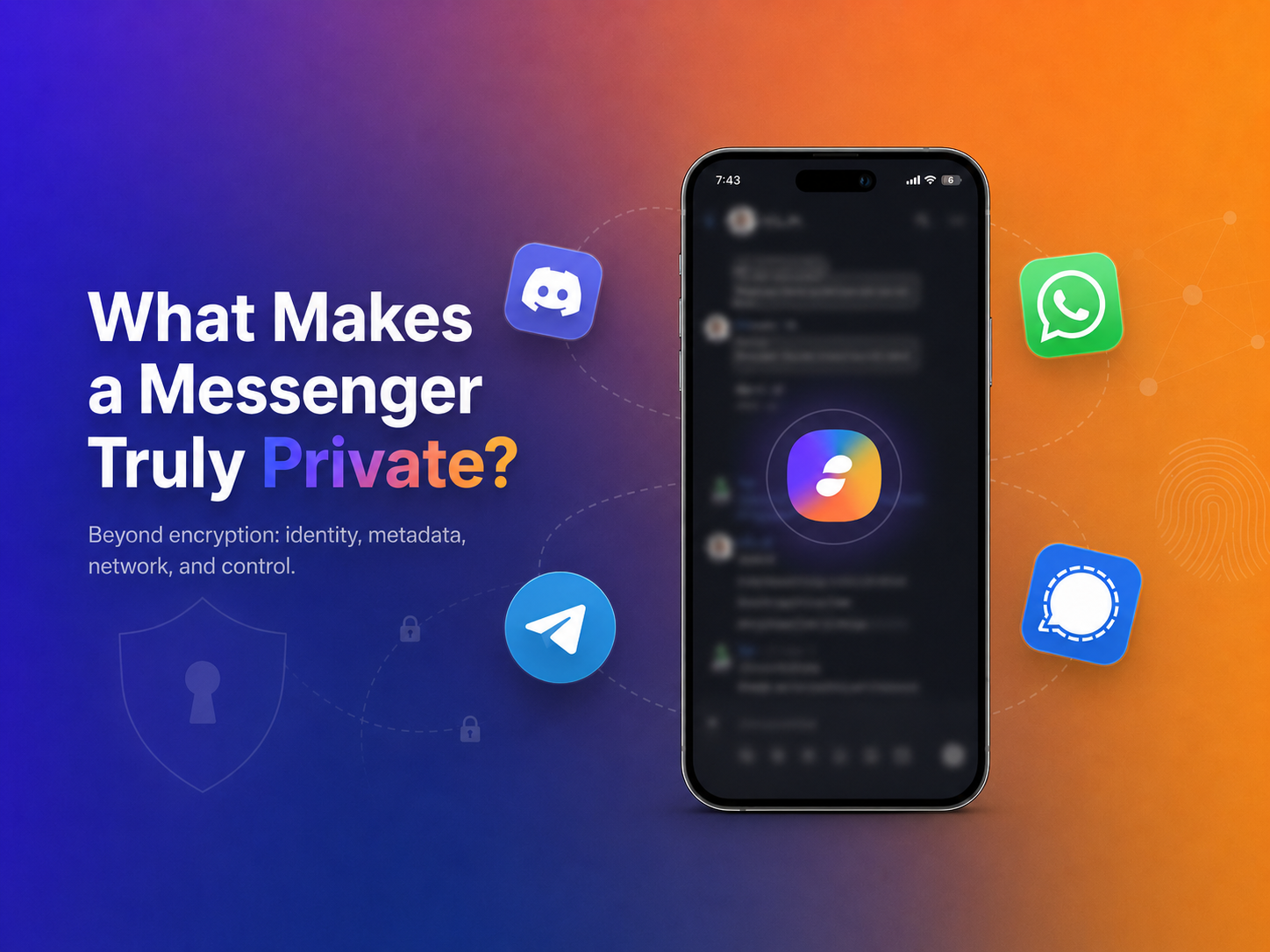
Privacy in messaging is often reduced to a single feature: encryption.
But private communication is not defined by one mechanism. It is the result of multiple layers working together each addressing a different type of privacy risk.
Over time, both user expectations and system architectures have evolved. Messaging apps today are no longer just communication tools, but they are platforms that interact with identity, data, and networks at scale.
This makes it important to revisit what “private messaging” actually means in practice.
End-to-end encryption ensures that only the sender and the intended recipient can read the content of a message. Messages are encrypted on the sender’s device and decrypted only on the recipient’s device.
This protects against:
- unauthorized reading of messages even if they are intercepted during transmission,
- message content being accessed by servers, network providers, or other intermediaries.
Apps like WhatsApp and Signal implement E2EE by default for messages and calls.
Telegram offers E2EE only in “Secret chats,” not in standard conversations.
Discord does not provide end-to-end encryption for regular messages.
Even though end-to-end encryption protects message content, it does not extend to metadata such as participant identities, timing, or interaction patterns.
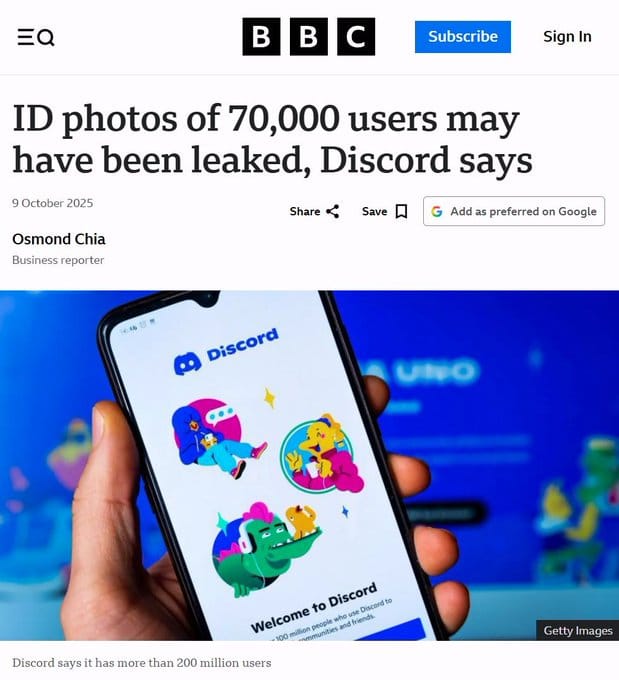
Recent cases have shown that attackers often bypass encryption entirely through:
social engineering
account takeover (verification code phishing)
spyware at the device level
These do not break E2EE itself, but show that secure messaging depends on more than just encryption alone.
That is why Status starts with end-to-end encryption, but does not stop there. Status uses end-to-end encryption for direct, group, and community messages and complements it with anonymous account creation, cryptographic identity, decentralized peer-to-peer messaging network, and a privacy-first design that minimizes metadata exposure.
The point is not only to protect what you communicate. The point is to reduce how much the system can infer about your conversation.
Perfect forward secrecy is designed to protect your past messages even if the encryption keys used for your current session are later compromised. End-to-end encryption ensures only the intended participants can read messages in the first place while PFS adds a second layer, so that a single key compromise doesn't unravel your entire message history.
In simple terms: if one key is exposed, it should not unlock messages you sent before that point.
Separately, secure messengers also aim for post-compromise security: the ability for a session to "heal" itself after a compromise, so an attacker who briefly gains access still loses the ability to read future messages once new key material is exchanged. Together, perfect forward secrecy and post-compromise security are what the Signal Protocol's Double Ratchet, which is used by apps like WhatsApp and Signal, is built to provide.
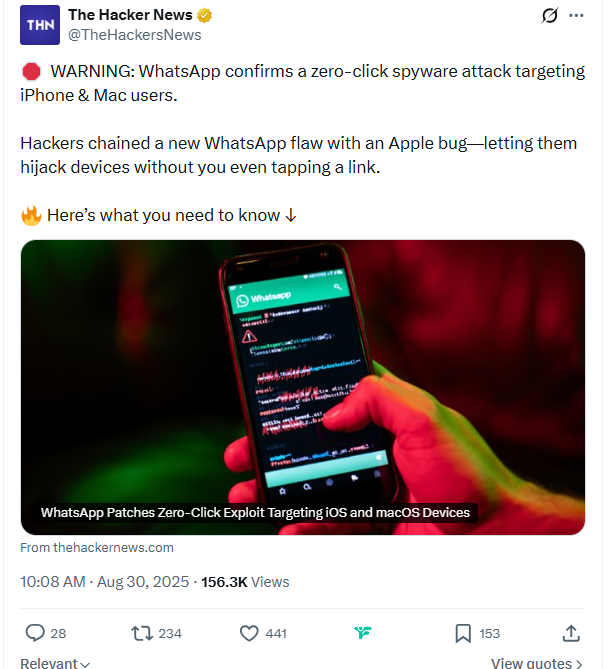
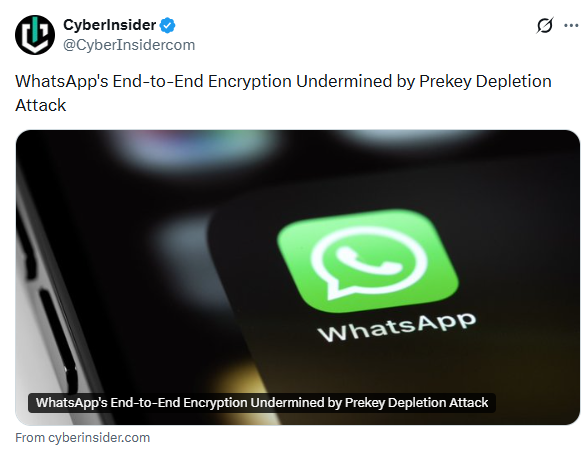
Recent security research shows why forward secrecy must be part of a wider system, but not just treated as a standalone guarantee.
In 2025, researchers demonstrated a targeted prekey depletion attack against WhatsApp's handshake mechanism, showing that under specific conditions it could degrade some of the protocol's intended security properties, including perfect forward secrecy for certain messages. Separately, WhatsApp patched a vulnerability (CVE-2025-55177) that Meta said may have been exploited alongside an Apple OS vulnerability (CVE-2025-43300) in sophisticated targeted attacks.
This does not mean encryption is useless. It means attackers usually don't need to "break encryption" directly. They target edge cases, implementation details, devices, recovery flows, or the surrounding infrastructure instead.
Status uses the Double Ratchet algorithm, where conversation keys keep evolving over time, so a single compromised key shouldn't unlock the full message history or grant the ability to read future messages once new key material is exchanged. Perfect forward secrecy protects the past while Post-compromise security protects the future. Status pairs both with cryptographic identity and a decentralized peer-to-peer message network to extend protection beyond just message content.
Most messaging apps require some form of third party validation when creating an account - often a phone number, but sometimes an email address. Some platforms also tie accounts to payment methods or social services.
- WhatsApp → phone number required
- Telegram → phone number required
- Signal → requires a phone number for account creation, but is adding support for usernames to allow users to communicate without sharing their phone number.
This is where the comparison becomes important.
- Signal protects message content, but still begins with a phone number.
- Telegram lets users hide phone numbers in some contexts, but still requires one at signup.
- WhatsApp encrypts personal messages, but its identity layer is built around phone numbers.
- Discord is flexible for communities, but not built around private cryptographic identities and encrypted messaging.
While on Status, you do not need a phone number, email address, or social login to create a Status profile. Your identity is generated from cryptographic keys on your own device.
That means Status does not begin private communication by asking users to attach themselves to a telecom identifier. This is a major difference. Other apps often add privacy controls after identity has already been linked. Status starts from anonymous identity first.
The way messages move across a network determines how much control and visibility exists.
Most mainstream apps rely on centralized infrastructure:
- WhatsApp
- Telegram
- Discord
In these systems:
- messages are routed through company-controlled servers
- operators control delivery, storage, and policy enforcement
This creates:
- single points of failure
- centralized surveillance
- dependency on platform policies
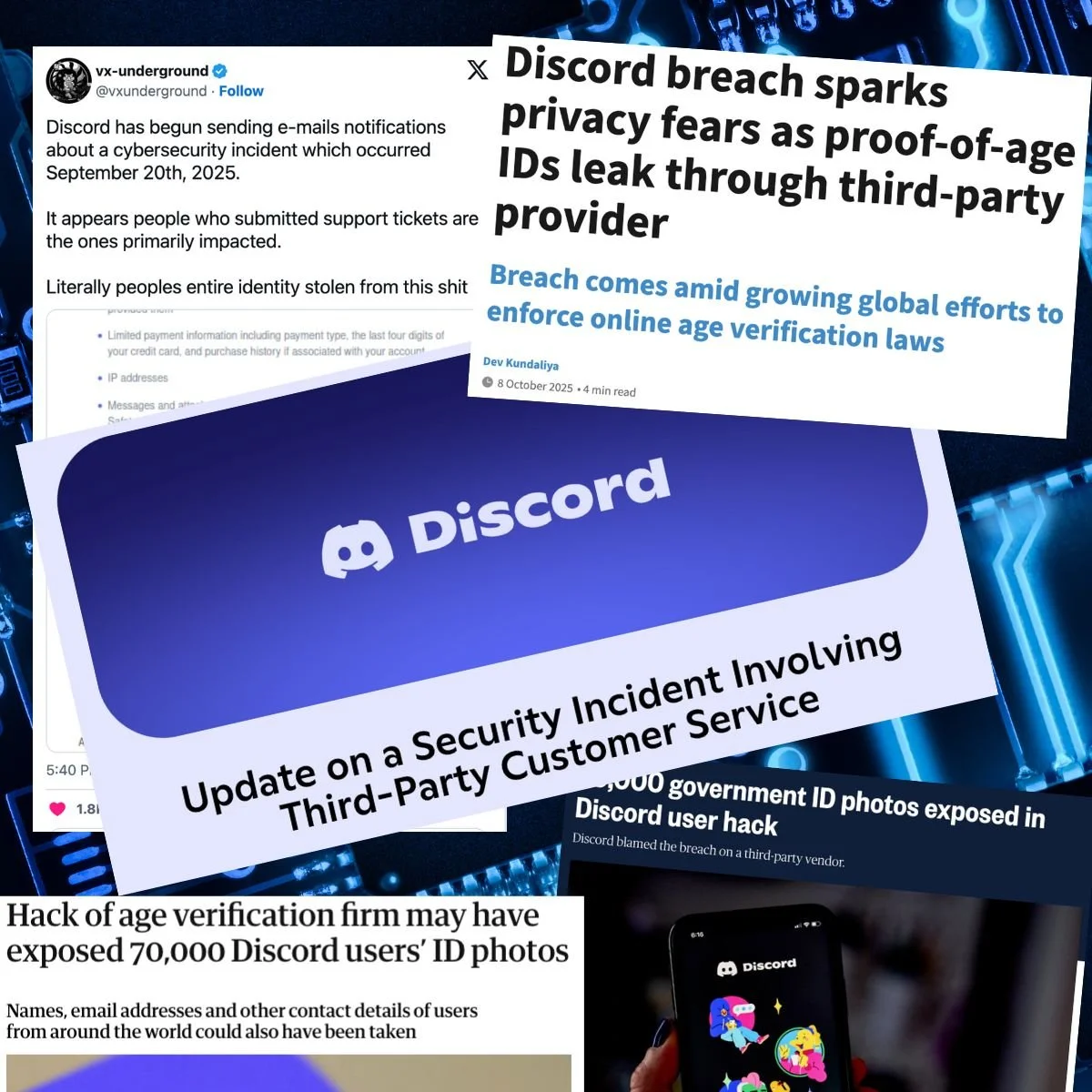
Incidents like these show that risks in centralized platforms often extend beyond the core messaging layer.
That is the real lesson: privacy risk often lives around the messenger, not only inside the chat window.
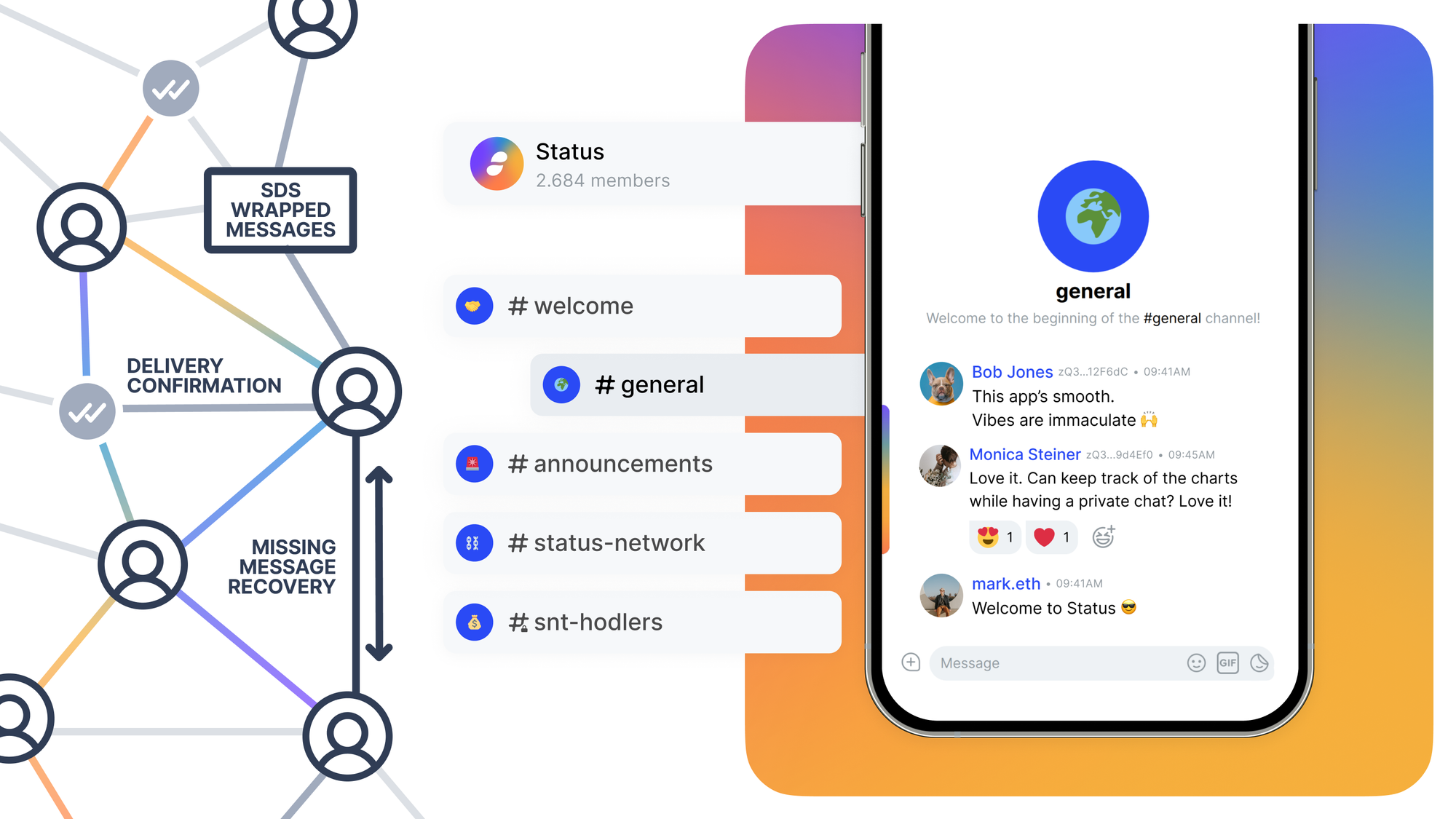
Status messaging is powered by Logos Messaging network (Formerly known as Waku), a decentralized peer-to-peer communication protocol designed for privacy-focused and censorship-resistant messaging. Instead of routing every message through central company-controlled servers, Status messages move through a decentralized network. Store nodes used to temporarily hold encrypted messages for offline users only operate with encrypted messages and have no knowledge or possession of any decryption keys.
Status does not require users to trust a single central operator with the entire communication system. By separating identity, message content, and message transport, it reduces the amount of information any single party can observe about your communications.
Even when messages are encrypted, metadata is still generated and processed. Metadata describes the context of communication rather than its content.
This includes:
- who communicates with whom
- when messages are sent and received
- frequency of interaction
- device and network signals
For example:
- WhatsApp collects usage and interaction data
- Telegram processes activity within its cloud-based system
- Discord retains and processes user interaction data
Unlike message content, metadata is often harder for users to observe or control, yet it can still provide significant insight into user behaviour.
Status is designed to reduce metadata exposure at multiple layers, including disabling any third-party providers used in Status to turn it into a completely sandboxed environment right from the moment users onboard.
By using cryptographic identities instead of phone numbers and routing messages through a decentralized peer-to-peer network, Status is designed to reduce the amount of linkable data created by default.
Most people think about messaging security in terms of hackers breaking encryption.
In reality, many attacks target the softer layers: account recovery, customer support, device compromise, social engineering, and authentication workflows.
This has become even more important as platforms add AI agents into support and account-management flows.
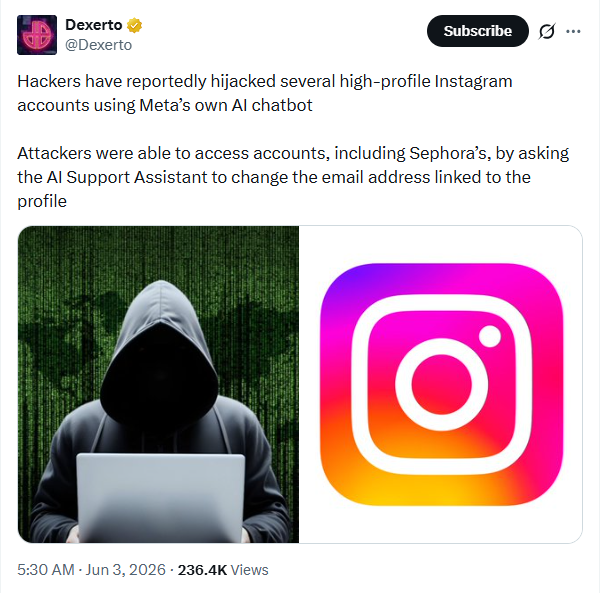
Recently, hackers tricked Meta’s AI support chatbot into helping them take over Instagram accounts by linking attacker-controlled email addresses to target accounts and triggering password resets. High-profile accounts were reportedly affected, including the Obama-era White House Instagram account and Sephora. Meta said the issue was fixed.
This was not a classic encryption failure.
It was an authority failure.
A support system was given too much power over identity and recovery. Once that layer failed, the account could be taken over without breaking the cryptography of any private message.
This is why identity design matters.
When accounts are tied to phone numbers, emails, centralized support systems, or platform-controlled recovery flows, the messenger inherits those attack surfaces.
Status avoids this by making cryptographic keys central to identity. Your profile is not created through a phone number or email address, and the architecture is designed around user-controlled keys rather than a centralized identity provider.
That does not remove every risk. Users still need to secure their devices and backups.
But it does remove an entire class of platform-controlled identity dependencies.
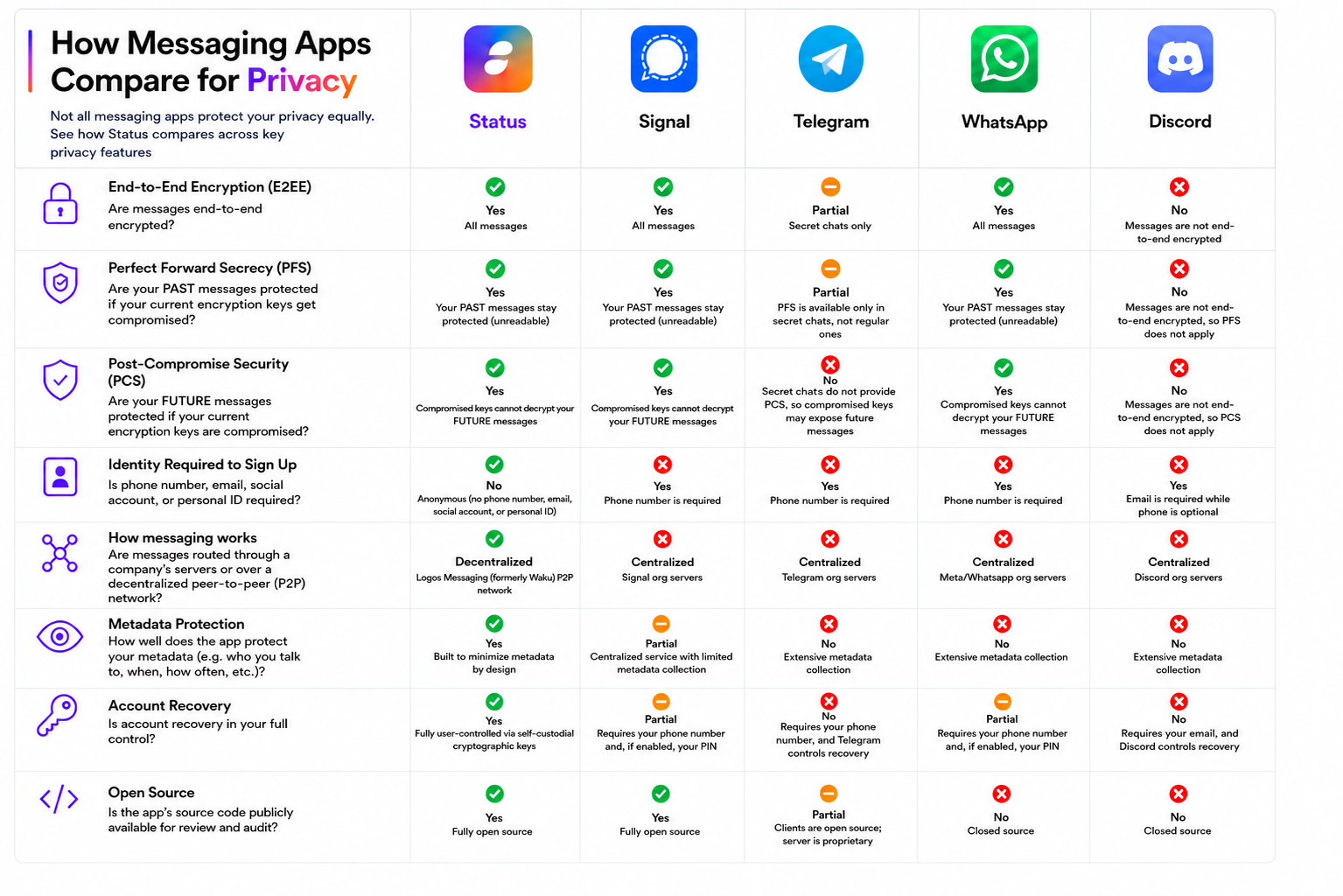
With surveillance on the rise and massive financial incentives for organizations of all types to extract personal data, finding means of preserving our privacy is crucial. Choosing a private, secure messenger is one way to do so.
Status is designed around the idea that privacy is not a single feature, but a combination of decisions across identity, network, and data handling.
Status combines multiple layers of privacy into a single architecture:
Messages are end-to-end encrypted using the double ratchet algorithm, meaning only intended participants can read them and keys keep evolving, so even if one is compromised, past and future messages remain secure.
Instead of using phone numbers or emails, identity is created from cryptographic keypairs generated on your device. This allows you to interact anonymously by default, without exposing real-world identifiers unless you choose to.
At the network level, Status messaging is powered by Logos Messaging network (formally known as WAKU), a decentralized peer-to-peer messaging protocol. Messages aren’t sent through central company-controlled servers; they’re broadcast across a network of peer-to-peer nodes and picked up by the recipient. Store nodes used to temporarily hold encrypted messages for offline users only operate with encrypted messages and have no knowledge or possession of any decryption keys.
By separating identity, message content, and message transport, Status reduces the amount of information any single party can observe about your communications.
That’s the key difference: privacy isn’t added on top. It’s built into how Status works end to end.